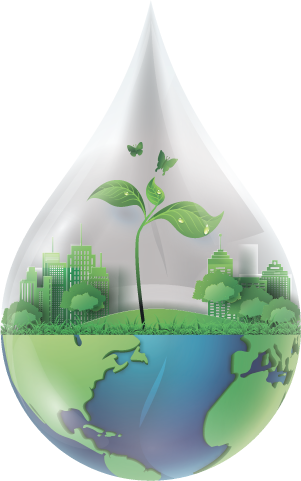

Effluent Sewage Treatment Plant (ESTP) is designed to treat combined wastewater generated from both domestic sewage and industrial effluents. The system effectively removes organic matter, suspended solids, nutrients, and harmful contaminants to ensure safe discharge or reuse of treated water.
Industries and facilities producing mixed wastewater require specialized treatment solutions. Kalpenviro’s ESTP systems are custom-engineered to handle variable flow rates and pollutant loads while ensuring regulatory compliance, operational efficiency, and consistent treatment performance.
WE PROVIDE
OUR EFFLUENT SEWAGE TREATMENT PLANTS
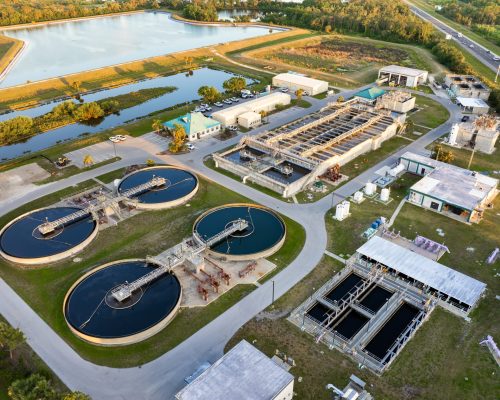
Effluent Sewage Treatment Plant (ESTP) is designed to treat combined wastewater generated from both industrial effluents and domestic sewage. Our ESTP solutions ensure efficient treatment, regulatory compliance, and safe reuse or discharge of treated water.
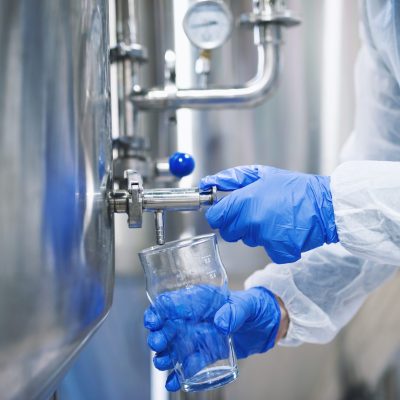
PRE-TREATMENT & SCREENING SYSTEM
Combined sewage and industrial wastewater first passes through screening and grit removal units. This stage removes floating debris, plastics, and heavy particles, protecting downstream equipment and improving overall treatment efficiency.
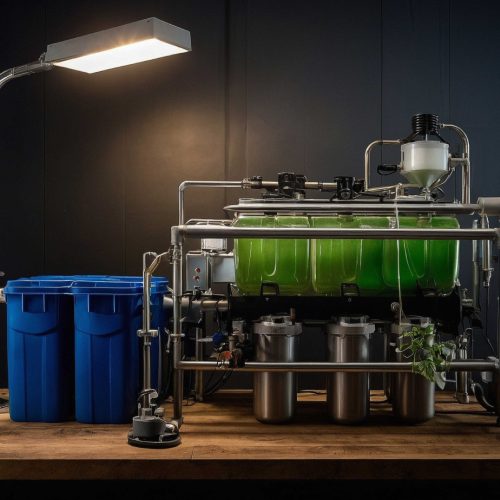
ADVANCED AERATION & BIO-REACTOR SYSTEM
In the aeration and bio-reactor stage, microorganisms efficiently treat mixed wastewater under controlled conditions. This system ensures effective breakdown of organic matter from both sewage and effluent, resulting in stable and consistent treatment performance.
SLUDGE HANDLING & DEWATERING SYSTEM
Excess sludge generated during the ESTP process is collected and treated using sludge thickening and dewatering systems. Proper sludge handling reduces disposal volume, lowers operating costs, and ensures safe, compliant waste management.
ESTP Process Flow
Step-by-step treatment process for combined sewage and industrial effluent management
1
Effluent & Sewage Collection
Combined wastewater from industrial processes and domestic sources is collected and conveyed to the treatment plant for further processing.
2
Equalization & Pre-Treatment
Flow and pollutant load are stabilized to ensure uniform treatment and protect downstream units.
3
Biological Treatment
Organic pollutants are biologically degraded under controlled aeration conditions to reduce BOD and COD levels.
4
Clarification & Sludge Handling
Treated water is separated from biological sludge, which is further processed for safe disposal or reuse.
Treated Water Reuse
Treated water from the ESTP can be reused for gardening, landscaping, cooling towers, flushing, and industrial utilities. This helps conserve freshwater resources, reduce operational costs, and promote sustainable wastewater management practices.
Key Benefits of
Our ESTP Process
Integrated Effluent & Sewage Treatment
Combined treatment of industrial effluent and domestic sewage in a single optimized system.
Regulatory Compliance
Designed to meet pollution control board norms for safe discharge or reuse of treated water.
Water Reuse & Sustainability
Treated water can be reused for flushing, gardening, cooling, and other non-potable uses.
Optimized Operating Cost
Reduces overall water management costs through efficient treatment and reuse.